
15
Years in the fire service
100%
Firefighter technicians
BBB
Accredited business
CPO
Certified owner
What gets checked
Everything that is expensive to find out later
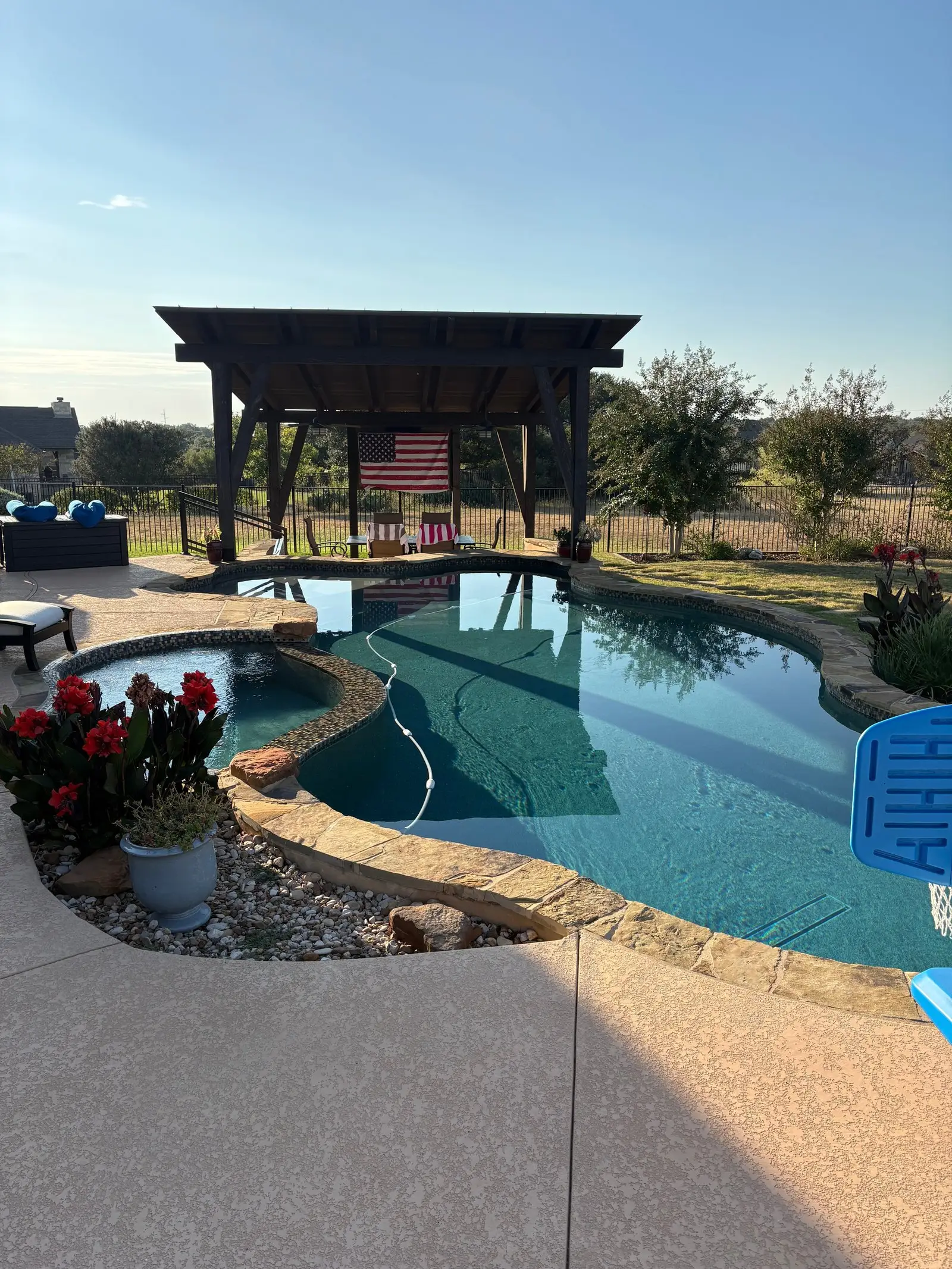
A pool hides its problems well. Water in it looks much the same whether the plumbing is sound or leaking, and equipment that runs for five minutes during a viewing can still be near the end.
So the inspection is mostly about running things and looking behind them, rather than standing at the edge and forming an impression.
- Shell, coping, waterline and tile
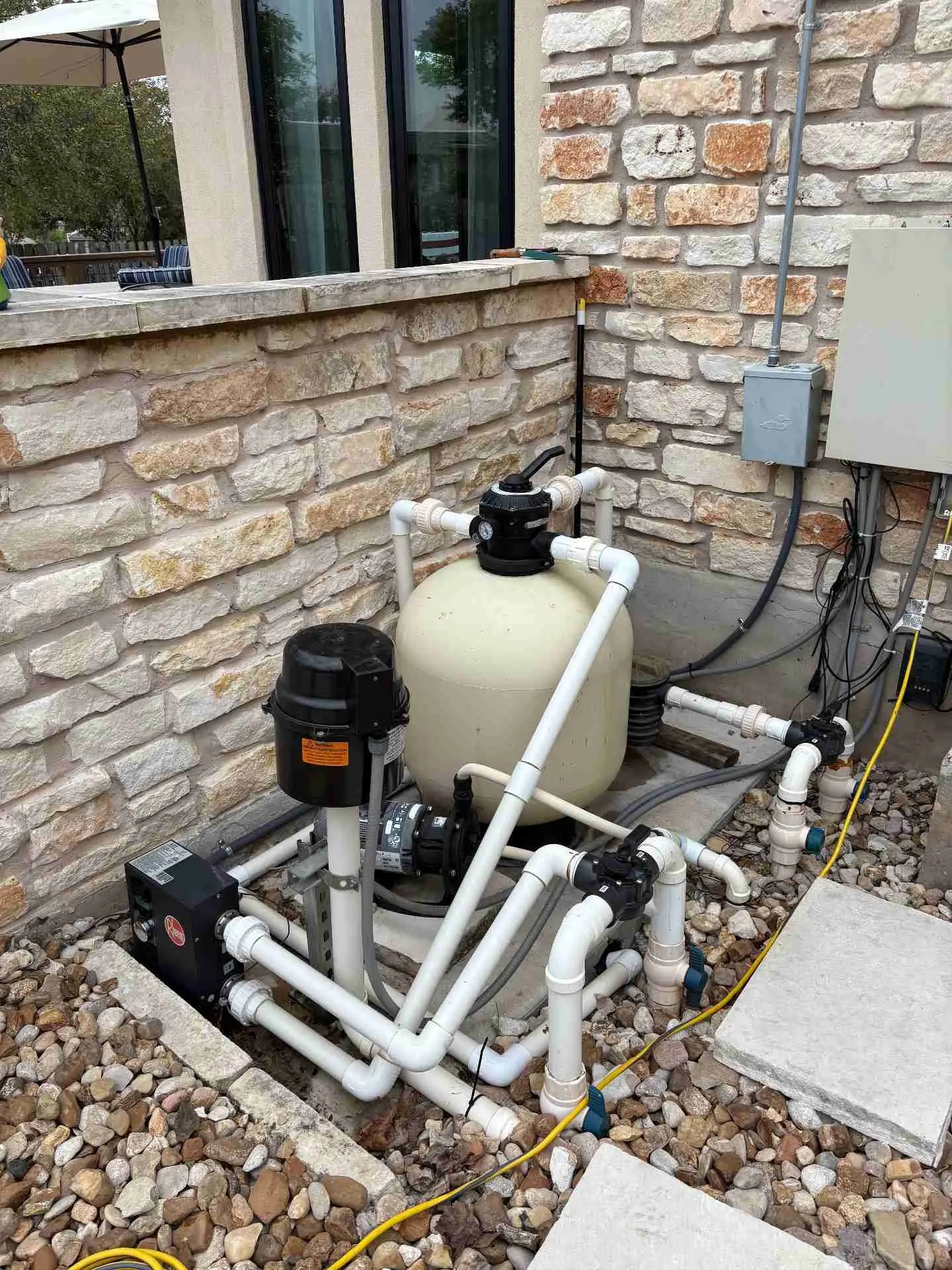
- Pump, filter, heater and any automation, run through their cycles
- Electrical, panels and bonding
- Circulation, returns, skimmers and flow
- Safety: barriers, gates, latches and drain covers
Who books one
Three reasons people call
The report is the same. What changes is what you do with it.
-
Buying a house with a pool
So the pool is a known quantity before contract rather than a surprise in the first summer.
-
Selling, and getting ahead of it
A report you commissioned is worth more than one the buyer commissions, and it lets you fix small things on your own timetable.
-
Owning one you inherited
For a pool that came with the house and has never been properly looked at.
What you get
A report that says what we could not test, as well as what we could
If the equipment could not be run, or a panel could not be opened, or the pool was green when we arrived, the report says so plainly against that item.
A report that quietly omits what it could not check reads as a clean bill of health, and that is the failure mode worth avoiding. You should be able to tell the difference between a pool that passed and a pool that was not fully looked at.
Questions
What people ask about inspections
Do I need a pool inspection if the house is already being inspected?
Usually yes. A general home inspection looks at the pool briefly and is not expected to run the equipment through its cycles, test the water or check the bonding. The pool is often the most expensive single thing in the backyard and it is the part the general report says least about.
What does the report cover?
The shell and coping, the waterline and tile, the equipment on the pad and how it runs, the electrical and bonding, the circulation, and the safety features. You get what is sound, what is worn, and what needs attention now rather than later.
How long does it take?
Long enough to run the equipment properly, which is most of it. We would rather take the time than hand you a report that only says what the pool looks like.
Can you inspect a pool that is green or drained?
We can look at it, but say so when you book. A pool that cannot be run tells us much less, and the report will say which parts we could not test rather than implying they were fine.
Will you tell me what repairs cost?
Yes, where we can price them. That is separate from the inspection and you are under no obligation to have us do the work.
Request service
Book an inspection
Tell us the address and your timescale. If you are under contract, say so and we will work to it. We will call you back on the number you leave.
Rather talk it through? (408) 316-8425