
15
Years in the fire service
100%
Firefighter technicians
BBB
Accredited business
CPO
Certified owner
What we check
The motor is the last thing we look at
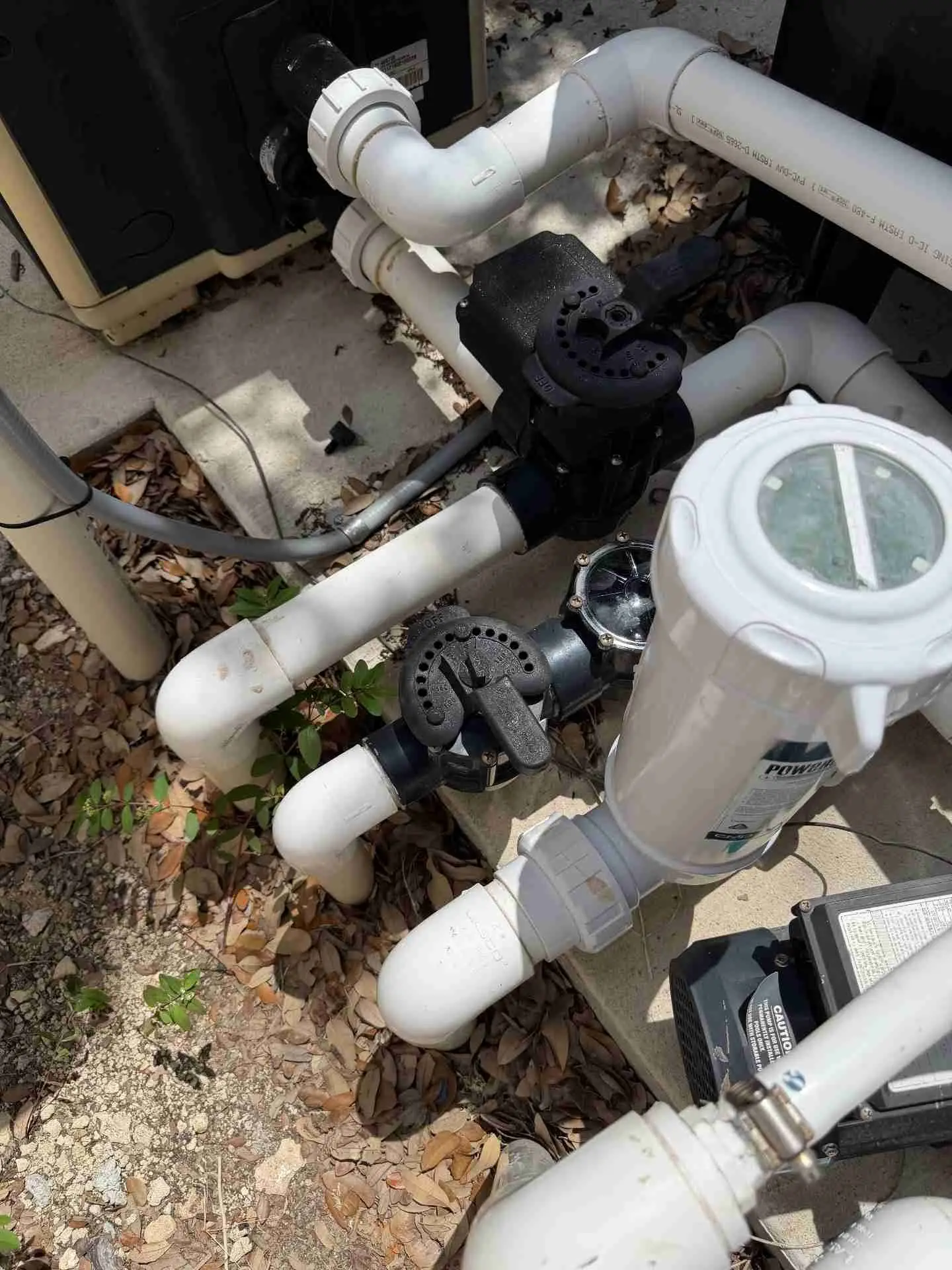
Most pump complaints are not the motor. They are a basket, an impeller, an air leak on the suction side, or a filter that has been letting pressure climb for a month.
Starting at the motor means replacing an expensive component that was doing its best against a problem somewhere else.
- Baskets, impeller and suction line checked for blockage
- Air leaks traced on the suction side
- Capacitor, bearings and shaft seal tested
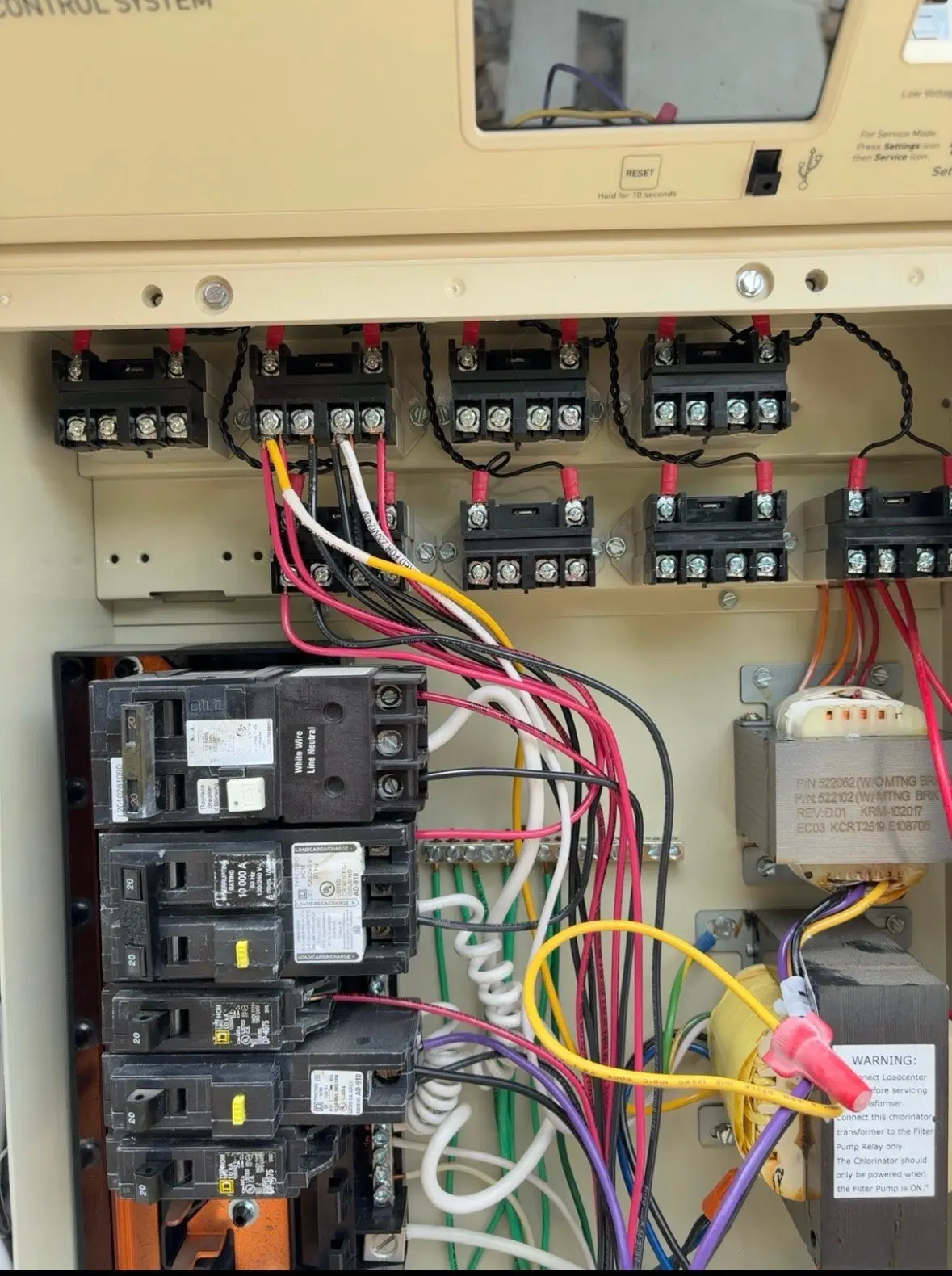
- Supply, breaker and bonding checked
- Filter pressure read, because it is often the real cause
Variable speed
When replacing beats repairing
A single-speed pump runs flat out whenever it runs, and it is usually the largest electrical load in the backyard. A variable-speed pump does most of its work slowly, which is quieter, gentler on the plumbing and markedly cheaper to run.
That does not make replacement automatically right. On a sound pump with a failed capacitor, repair is obviously better. On a tired motor that is already noisy, the sums often favour the new unit, and we will show you both rather than deciding for you.
Drew was amazing and very knowledgeable in his craft. He helped us get back to a cleaner pool, a brand new quality pump, and took care of all settings. I appreciate that he showed up on our request on a weekend to fix an issue we noticed with the booster pump. I highly recommend firefighter pools. They will get the job done effectively and efficiently.
Ravi Gargvia Google
Questions
What people ask about pumps
My pump is making a loud whining noise.
Usually bearings, and it is a warning rather than an emergency. A whining pump will keep running for a while and then stop, and the stop is nearly always at a weekend in August. Worth looking at while it is still noisy rather than silent.
The pump keeps switching itself off.
Short-cycling is usually overheating, a failing capacitor or a supply problem. It is worth acting on quickly because the cause tends to be the thing that eventually kills the motor.
Should I repair the pump or fit a variable-speed one?
Worth asking. A variable-speed pump costs more up front and uses considerably less electricity, so on a pump that is near the end the replacement often makes more sense than the repair. We will give you both numbers.
There is water under the pump.
Usually the shaft seal. It is a common repair and a cheap part, but water running into the motor is what turns a cheap repair into a new pump, so it is worth not leaving.
My pump runs but the water barely moves.
That points at flow rather than the motor: a blocked basket, a clogged impeller, an air leak on the suction side or a filter that needs cleaning. We check those before touching the pump itself.
Request service
Tell us what the pump is doing
The noise, the leak, or how long it runs before it stops. We will call you back on the number you leave.
Rather talk it through? (408) 316-8425