
15
Years in the fire service
100%
Firefighter technicians
BBB
Accredited business
CPO
Certified owner
What we repair
Most of it is one of five things
Pool repair sounds open-ended and mostly is not. The great majority of calls are a pump, a leak, a valve, a control problem or the electrical feeding one of them.
What varies is how long it takes to find. A pump that will not start announces itself. A leak underground does not, and finding it is most of the job.
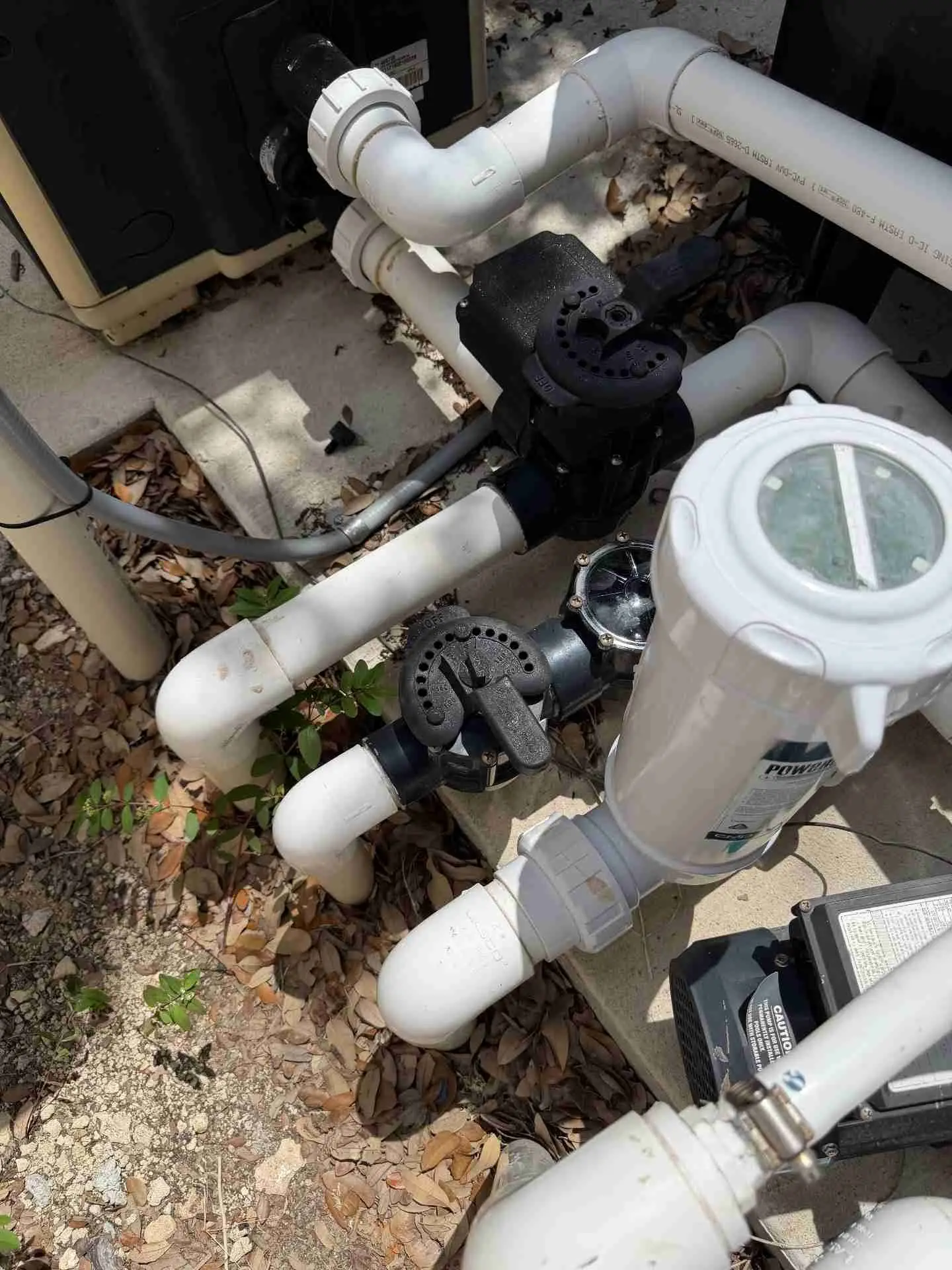
- Pumps that will not start, whine, rattle or short-cycle
- Leaks in the plumbing, the shell or the equipment pad
- Valves, unions and manifolds that have failed or seized
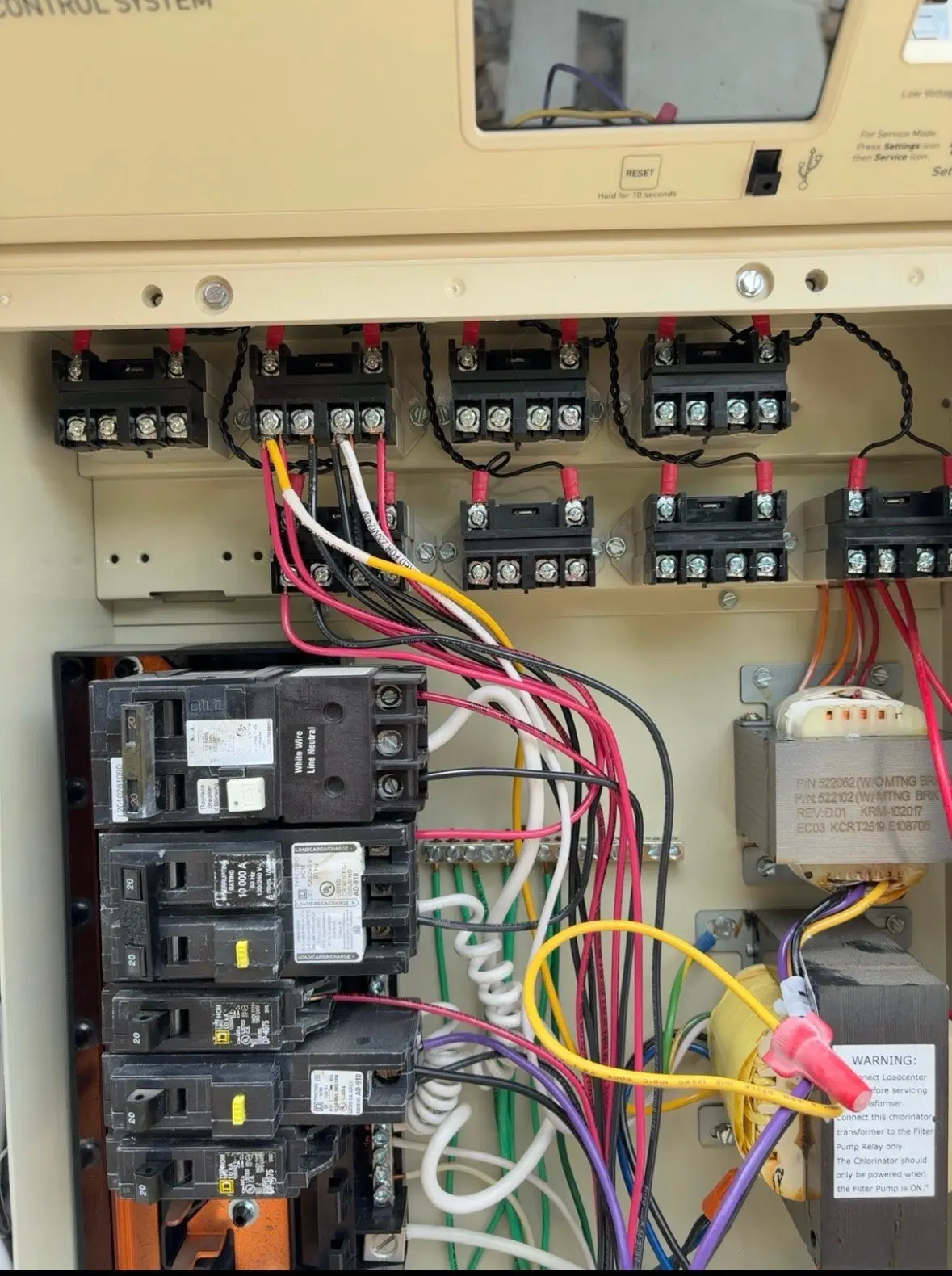
- Breakers, bonding, panels and pool wiring
- Automation that reports one thing and does another
Leaks
Finding it is the work. Fixing it is usually quick
A leak that has reached the point of being obvious has often been going for months. By then it has taken chemistry and heat with it, and sometimes softened ground near the deck.
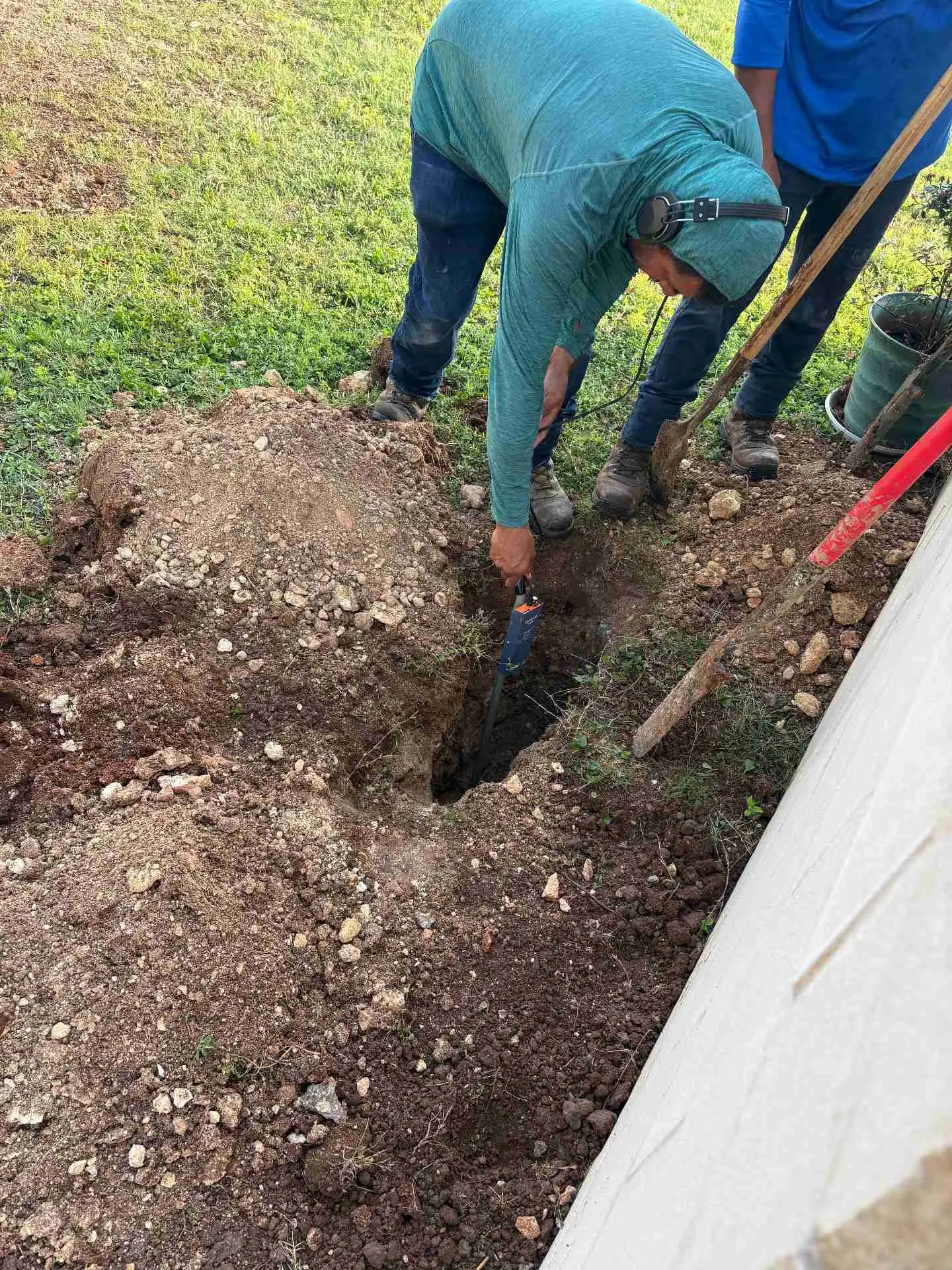
We test to establish whether the water is going through the shell, the plumbing or the equipment before anything is dug up, because those are three different jobs and only one of them involves a shovel.
- Evaporation ruled out first, so nobody digs for nothing
- Shell, plumbing and equipment separated before excavating
- Excavation only where the test says the water is going
How a repair goes
Four steps, and you approve the price at step two
- 01
We come and diagnose
Equipment run, water tested, the fault reproduced where we can. We would rather find it than guess at it.
- 02
You get a flat price
With what is wrong, what we propose, and where a repair is not worth doing compared with replacing.
- 03
We do the work
Same visit where the part is on the van. Otherwise we tell you what we are waiting on and when.
- 04
We run it and show you
Equipment run up, pressures checked, and you get told what to watch for.
Andrew has fixed multiple problems we've had with our pool. He always went above and beyond what we expected. He's knowledgeable , honest, and communicated well every step of the way. Would 100 percent recommend.
Travis Rayvia Google
Andrew was on time, professional and got the repair done in no time. Highly recommend.
Larry Dollgenervia Google
Questions
What people ask about repairs
How do you charge for a repair?
We look at it, tell you what is wrong, and quote a flat price before any work starts. If the diagnosis changes what the job is, you hear about it before we carry on rather than afterwards on the invoice.
My water level keeps dropping. Is that a leak?
Not always. A pool loses water to evaporation, and in a Texas summer that can be a surprising amount. If the level is dropping faster than evaporation explains, or the ground near the pool is staying wet, it is worth looking at properly.
Can you fix it the same day?
Often, if it is a part we carry. Some repairs need a part ordered, and some need the water level dropped or an excavation, which takes longer. We will tell you which one you have when we diagnose it.
Do you work on the electrical side?
Yes, on pool equipment: panels, breakers, bonding, automation and the wiring between them. Anything that belongs to the house rather than the pool goes to an electrician, and we will say so.
Is it worth repairing old equipment or replacing it?
It depends on the part and the age. We will give you both numbers and our opinion, and we do not make more from one than the other. A pump with a failed capacitor is worth fixing. A twenty-year-old pump with a seized motor usually is not.
Request service
Tell us what it is doing
A description of the noise, the leak or the fault is usually enough to start. We will call you back on the number you leave.
Rather talk it through? (408) 316-8425